
Building for the Future
Insights on modern construction, retrofitting, and structural design
Insights on modern construction, retrofitting, and structural design
Educational content exploring the technical and architectural aspects of modern construction.
Retrofitting is the process of upgrading existing buildings with modern systems and materials to improve performance, efficiency, and functionality. Rather than demolishing and rebuilding, retrofitting preserves the existing structure while enhancing its capabilities.
This approach is particularly relevant for London's housing stock, where Victorian terraces, Georgian townhouses, and post-war buildings require modernization to meet contemporary living standards and energy efficiency requirements.
Thermal Insulation
Adding insulation to walls, roofs, and floors to reduce heat loss and improve energy efficiency.
Airtightness Improvements
Sealing gaps and improving building envelope to prevent unwanted air infiltration.
Ventilation Systems
Installing mechanical ventilation with heat recovery (MVHR) to maintain air quality.
Structural Upgrades
Reinforcing existing structures to accommodate new loads or spatial configurations.

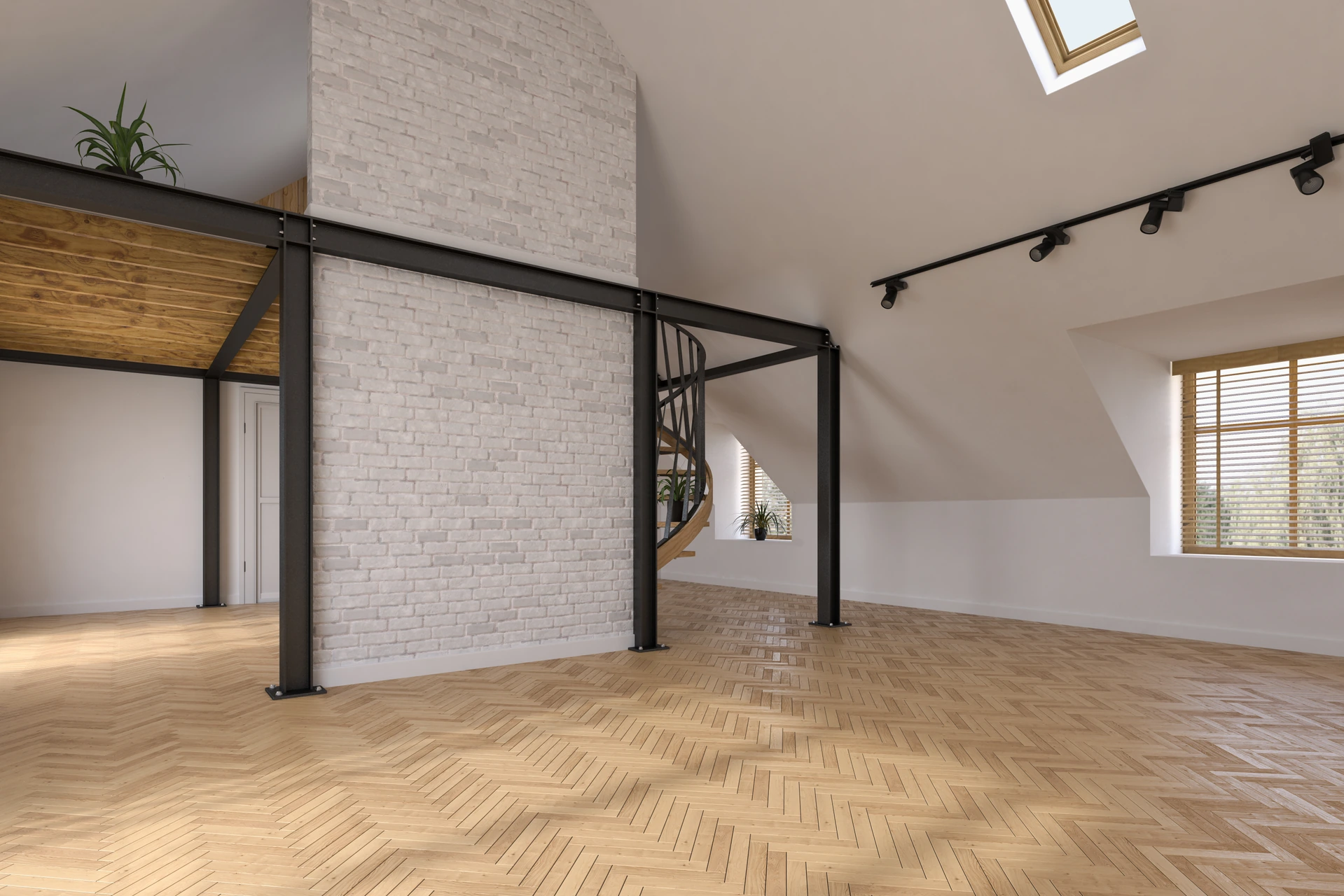
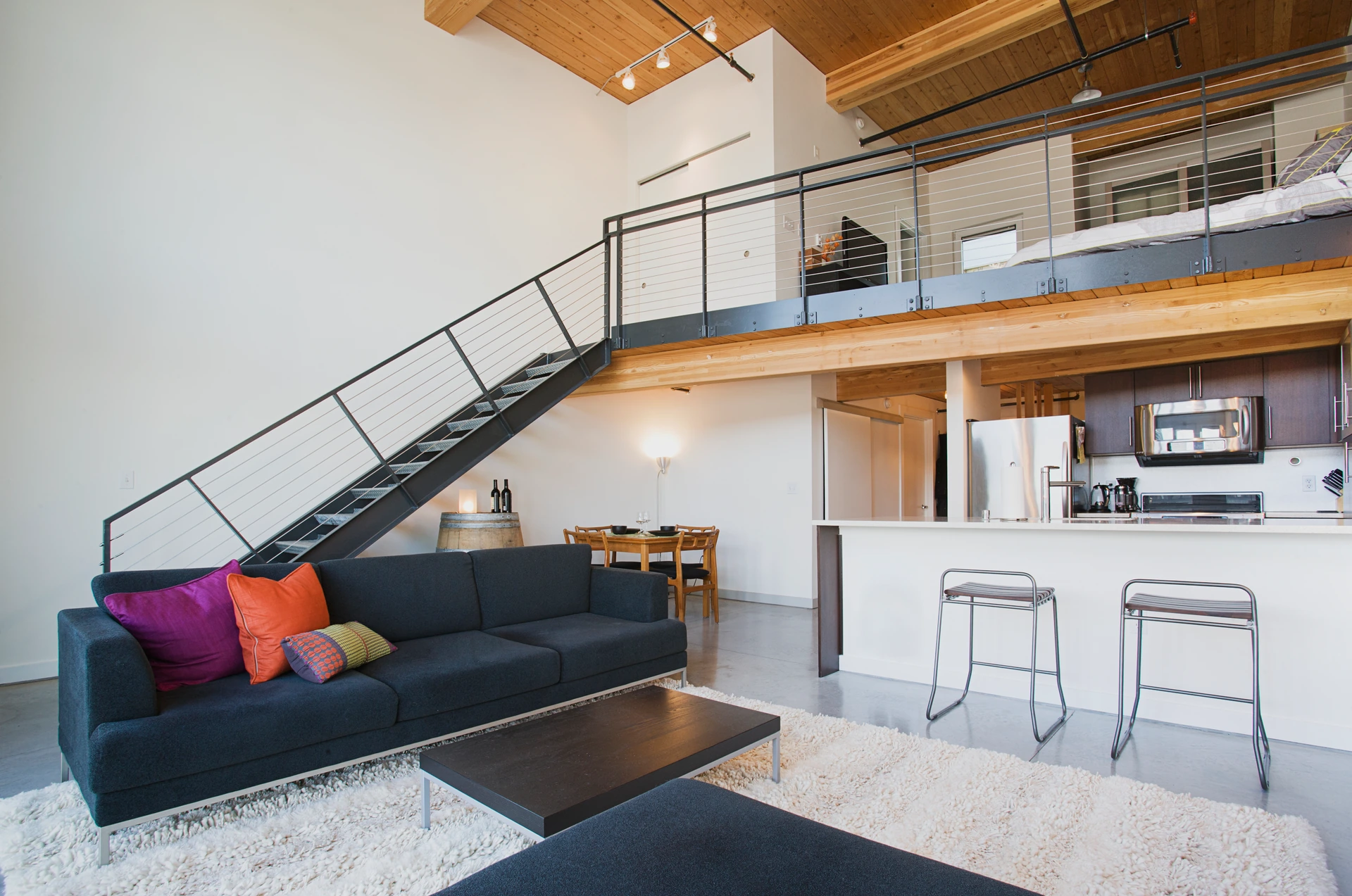
London property prices make extending upward one of the most cost-effective ways to add living space. Loft conversions transform unused roof space into functional rooms — bedrooms, home offices, studios, or additional bathrooms.
Increased Property Value
A well-executed loft conversion can add 15-20% to property value.
No Land Required
Utilize existing roof space without reducing garden area.
Faster Than Moving
Avoid stamp duty, estate agent fees, and relocation costs.
Permitted Development
Many loft conversions fall under permitted development rights.
London properties demand intelligent spatial planning. Every square meter must function efficiently, combining storage, circulation, and living areas without compromise.
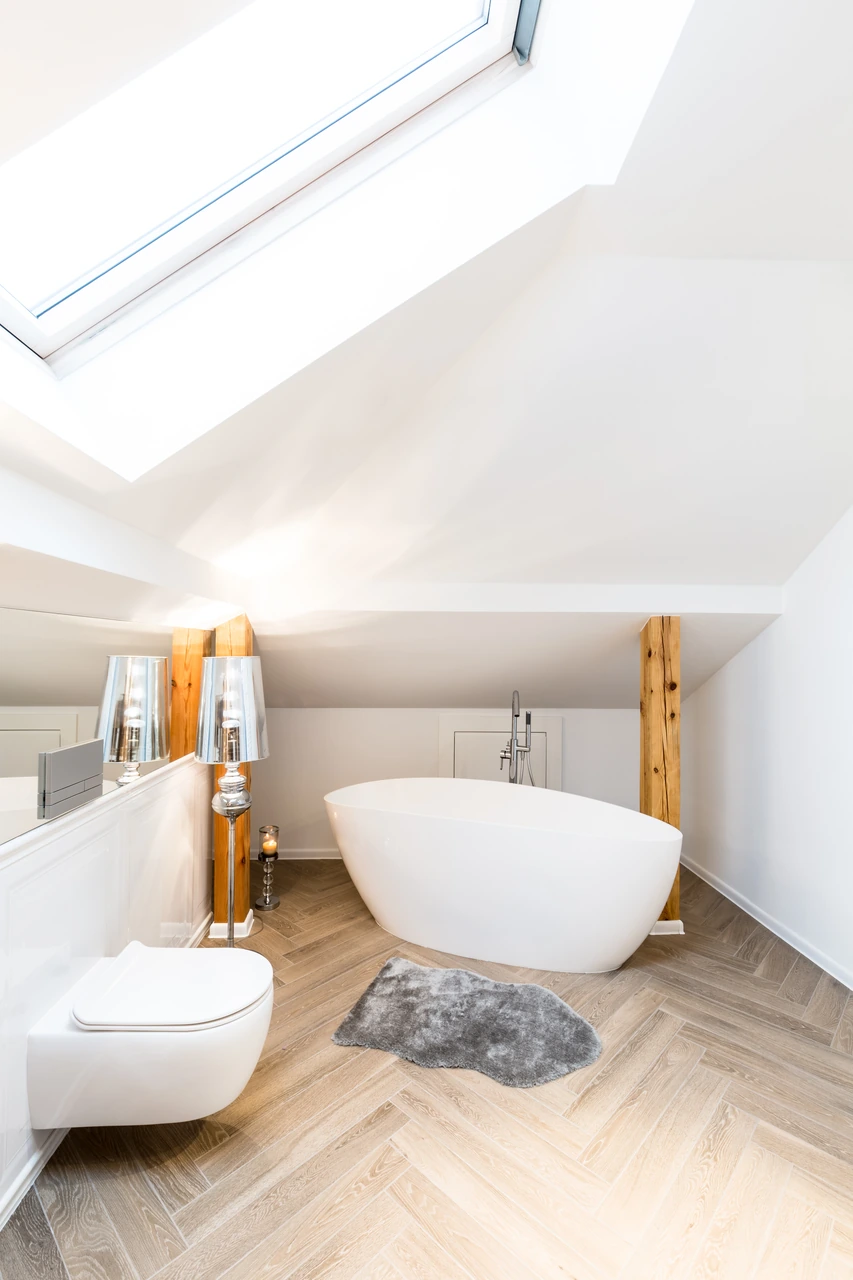
Maximizing daylight in dense urban environments. Roof lights, dormer windows, and strategic openings transform dark spaces into bright, livable areas.
Sound insulation is critical in terraced and semi-detached properties. Modern construction techniques reduce noise transmission between units.
Maintaining consistent temperatures year-round. Insulation, ventilation, and heating systems work together to create comfortable environments.
Compliance with Part L (energy), Part B (fire safety), and Part M (accessibility) ensures buildings meet modern safety and performance standards.
Designing spaces that can evolve with changing needs. Flexible layouts accommodate home working, growing families, and lifestyle changes.
Every structural modification begins with load calculations. We analyze dead loads (permanent structure), live loads (occupancy and furniture), and wind/snow loads to determine structural requirements.
This analysis determines beam sizes, column specifications, and foundation requirements. Structural engineers use British Standards (BS EN 1990-1999) to ensure safety factors are maintained throughout the design.
Choosing appropriate materials based on structural requirements, span distances, and load capacities. Steel beams for long spans, timber joists for floor systems, concrete for foundations.
Material properties — strength, stiffness, durability — determine performance. We specify materials that meet structural requirements while optimizing cost and construction efficiency.
How structural elements connect is as important as the elements themselves. Beam-to-column connections, joist hangers, and foundation anchoring must transfer loads safely.
We detail every connection, specifying bolt sizes, weld specifications, and fixing methods. Proper connections ensure structural integrity and prevent progressive collapse.
U-values measure heat loss through building elements. Lower U-values indicate better insulation. Building Regulations Part L specifies maximum U-values for walls, roofs, floors, and windows.
• Walls: 0.18 W/m²K (new build), 0.30 W/m²K (retrofit)
• Roofs: 0.16 W/m²K (new build), 0.18 W/m²K (retrofit)
• Floors: 0.18 W/m²K (new build), 0.25 W/m²K (retrofit)
Thermal bridges occur where insulation is interrupted — at junctions, around windows, at structural elements. These create heat loss pathways and potential condensation points. Proper detailing minimizes thermal bridging.
Measured in air changes per hour (ACH) at 50 Pascals pressure. Building Regulations require ≤10 m³/h/m² for new dwellings. Better airtightness reduces heat loss and improves energy efficiency.


EPCs rate buildings from A (most efficient) to G (least efficient). Retrofit improvements can significantly improve EPC ratings, reducing energy costs and increasing property value.
Apply these principles to your project
Start a Conversation